1979 and 1980
- Anuša Kodelja
- Carlo Zoratti
- Tomi Janežič
- Set design: Branko Hojnik
- Costume design: Marina Sremac
- Music: Samo Kutin
- Sculpture design: Nenad Gajić
- Lighting design: Tomi Janežič, Branko Hojnik
- Sound design and music selection: Tomi Janežič
- Assistant director: Iva Olujić
- Set designer and costume design assistant: Slavica Janošević
- Language consultant: Anja Pišot
- Sign language consultant: Tina Strel
- Producers: Marko Bratuš, Petra Hazabent
The “Velcro tape” was invented during World War II, in Switzerland. While elsewhere in Europe people were killing each other, a man would go hiking in the mountains with his dog, gathering flowers and mushrooms. When he returned home, he noticed that something had stuck to his clothes, and his dog’s fur was also full of it. It was burdock. Why did it cling to the fabric?
Imagine the luxury of sitting down in peace, at the time when Hitler was attacking Russia, and looking at a burdock flower under a microscope. On this flower were tiny hooks, and the man thought: “Perhaps I can make artificial hooks, like the ones on the burdock.” It took him more than ten years to create the “Velcro” we know today.
He patented it, and the patent expired in 1979. From 1980 onwards, “Velcro” began to appear everywhere. But someone already had it back in the 1950s, when it was still almost unknown. And apparently, it changed this person’s life.
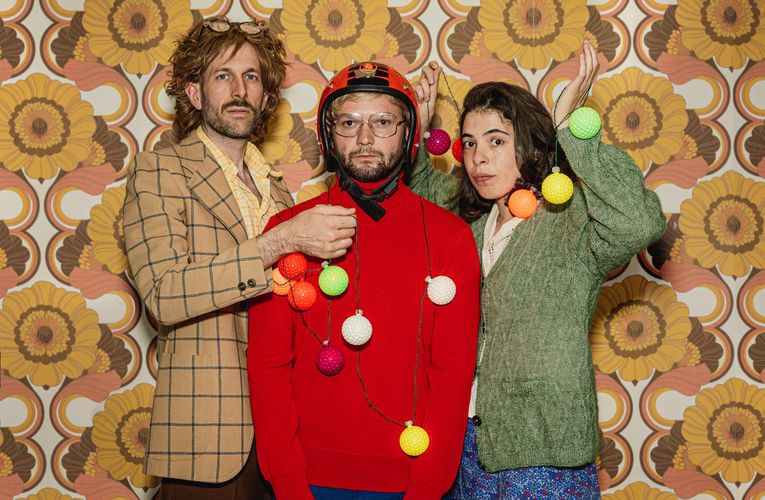
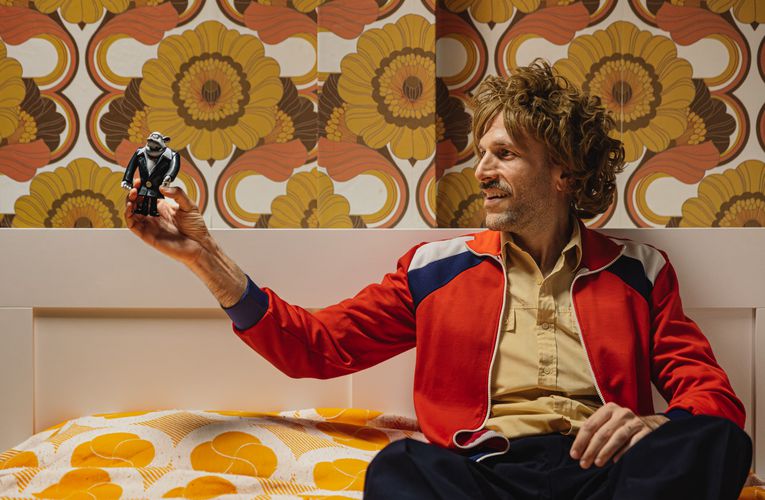
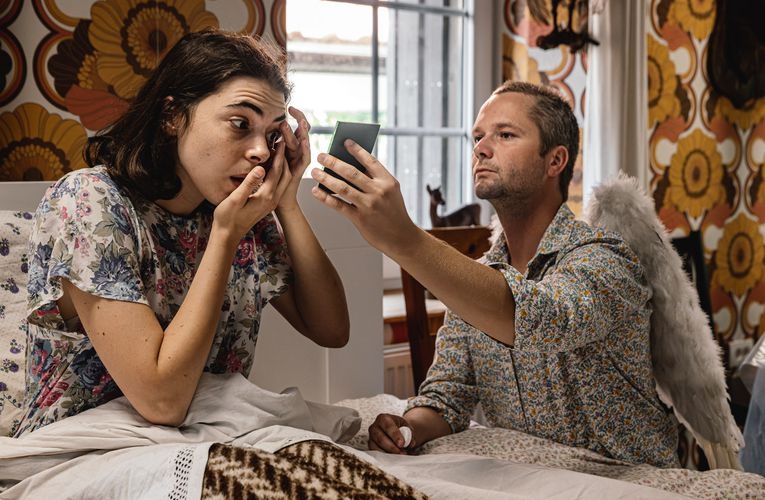
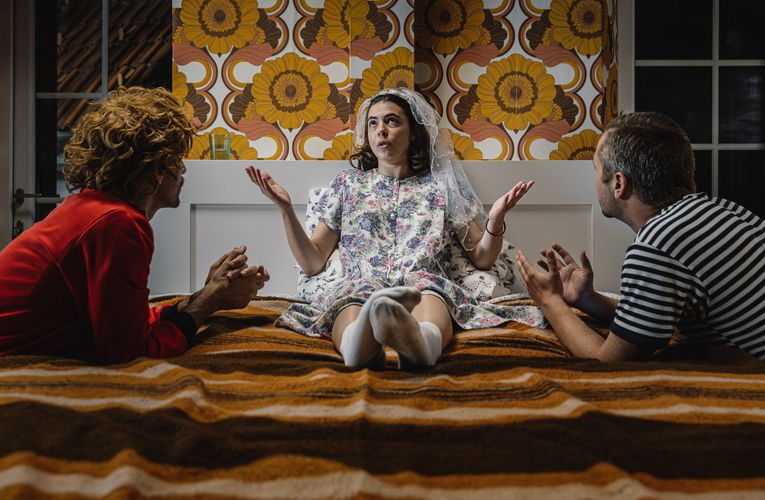
Performed as a double bill with 1979, the production 1980 delves into themes like memory, growing up, and the people from a small village that becomes a crossroads of life destinies. The productions are part of the theatrical dodecalogy 1972–1983 (within the project Destin(y)ation / A Touch of Fate), a year-long theatrical omnibus composed of twelve projects, directed by Tomi Janežič. The dodecalogy outlines a network of life destinies that stretch through time and have been marked by travel and migration. Above all, it is an omnibus about theatre itself.
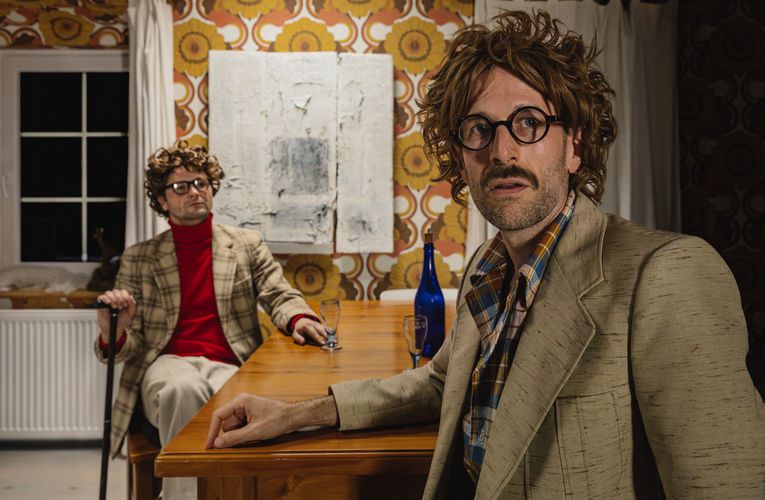
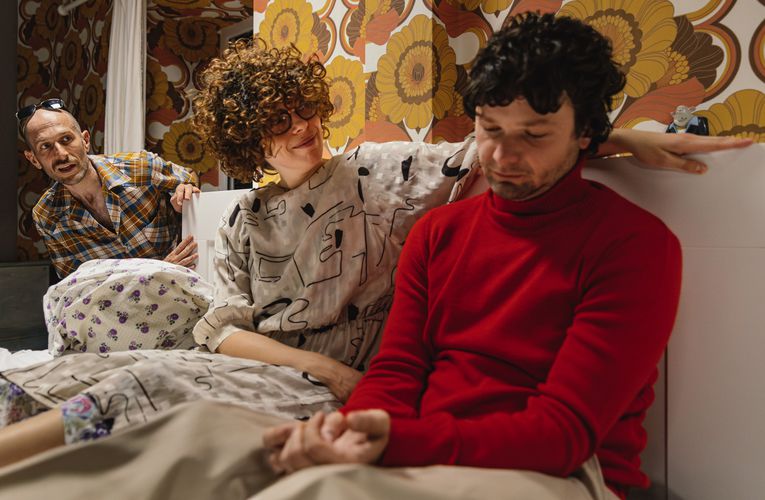
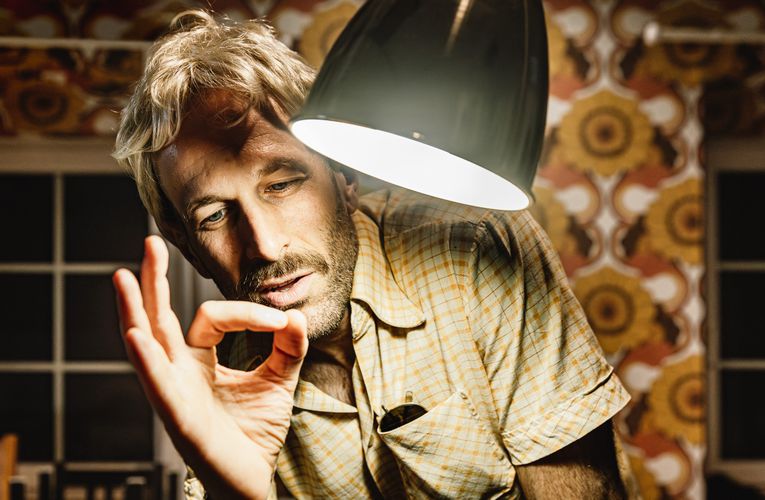
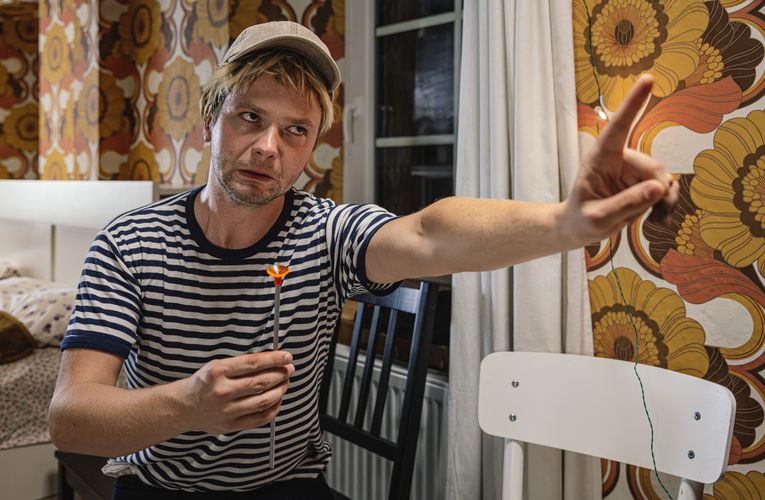
A performance for one room and three actors. This is the best way to describe Tomi Janežič’s 1979 and 1980, a double performance that is minimalist in form but rich in plot. [...] As in the previous productions, the actors – together with the director – guide us through the private stories of the characters, adding new information to the genealogical tree created for the Dodekalogija. And, just like before, they do it with warmth and emotion. The atmosphere of the performance is therefore similar to the others. The audience can listen to personal stories that build the broader context of the region and the decades in which they take place. The quality of the storytelling is no different, in fact, it draws the viewer back into the saga of the family they have already heard about, allowing them to once again immerse themselves in the world of the 70s. [...] Krušče lacks professional stage lights. Instead there are simple lamps which are turned on and off by the director. There is no technical booth. In fact, there is no technical crew at all – the director sits among the audience and manages the lighting, music, and subtitles himself. This experiment with space is extremely interesting from the perspective of the entire project. 1979 and 1980 provide a far more intimate encounter with the protagonists and a reflection of the atmosphere of small-town life and their sense of isolation from the events of Big History. [...] Having now seen several performances in the Dodekalogija series, it is clear that it is not just an ode to the cities of Gorizia and Nova Gorica. It is an ode to theatre and theatricality itself. To the theatre of stories, the theatre of scenography and costumes, the theatre of the actor, and theatre that creates the hard-to-define magic of theatre in its purest form.
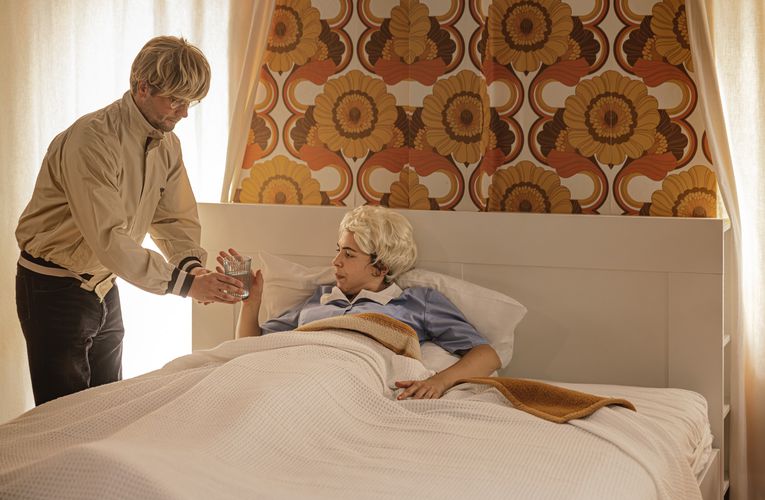
In line with the previous chapters of the Dodecalogy, 1979 and 1980 maintain the highly coherent theatre expression of the entire cycle, demonstrating a masterful command of the individual elements of theatre production and their interplay. Although Tomi Janežič’s direction (his assistant was Iva Olujić) may appear fairly simple on the surface and in the duration of the production, its complexity emerges in the subtly nuanced characters put in situations that allow them fluid and quick transitions. This is a particularly noteworthy achievement because the numerous characters are played by only three actors. […] Because 1979 and 1980 are still distinctly logocentric productions and grounded in narration that only rarely transitions into dialogue, the performers’ acting creations are the core of how the content is conveyed. Zoratti’s adorably confused character successfully transitions from the screen to the stage, where the performer develops his manner of a slightly alienated comical emphasis across a number of characters. In this, he is joined by Stane Tomazin in a similar role, working with an arsenal of physical and verbal wit, while, when it comes to tragic or dramatic situations, both convey them with a calm reserve that avoids flirting with the audience. If Stane, interpreted by Stane Tomazin, joined as an active participant in 1980 when he moved to the village of Zoratti’s ancestors, Anuša, interpreted by Anuša Kodelja, only appears in the closing epilogue when one of the villagers, who lost his limbs and face in an explosion, was sent for care to a convent where Anuša is his nurse. In the majority of the two productions, Kodelja interprets other characters, mostly nonnas and mothers; one character that stands out is the blind ‘saint’ with which Kodelja, like previously in the role of the deaf and mute Anuša, shines with her meticulously honed acting and vocal transformation.
Tomi Janežič, the director, seems the strongest when he creates intimate theatre productions where the acting style, the proximity of the actors, and the breaking down of the fourth wall affect the spectator so that they literally immerse into the story. The motifs from the stories of 1979 and 1980 intertwine with the entire body of the theatre Dodecalogy; the protagonists come intermittently from the first, second or third generations of the selected families, individuals, neighbours, newcomers and other acquaintances. During last night’s event, the nature of the venue highlighted exactly this structure of intertwining narratives that included all types of realism – from hyperrealism (also in staging solutions, for example, Nenad Gajić’s structure) through magical realism to surrealism, and the situations of absurd, grotesque, luddism and other procedures. All together, these procedures, the organic method of their staging and the dramaturgy of the unusual and surprising, yet justified combinations of twists, and the dynamics of stage events create, like an orchestra, an atmosphere that sends the spectators through a wide range of emotions, including empathy, sympathy, joy and the emotions of tragedy and sadness. They are supported by all the pauses, silences and gazes that allow the spectator to acknowledge it all. The small cast, Anuša Kodelja, Stane Tomazin and Carlo Zoratti, and the director, with the necessary interventions, navigate the epic expansions and intimate depths. In the first part, focused on an Italian family from a Friulian village, to whom, in the second part, a Slovenian family joins, the lives of people on an ethnically mixed territory from World War II until today unfold in front of us.
Predstavi sta del uradnega programa GO! 2025.
V ceno vstopnice je vključen tudi avtobusni prevoz. Avtobus bo izpred Slovenskega mladinskega gledališča (Vilharjeva 11) odpeljal proti Kruščam v nedeljo, 12. in 19. 10., 9. 11. ter 7. in 14. 12., ob 15.30. Predvideni povratek v Ljubljano je okrog 23.00.